Field notes: the compartment that turned out to be half the species we thought
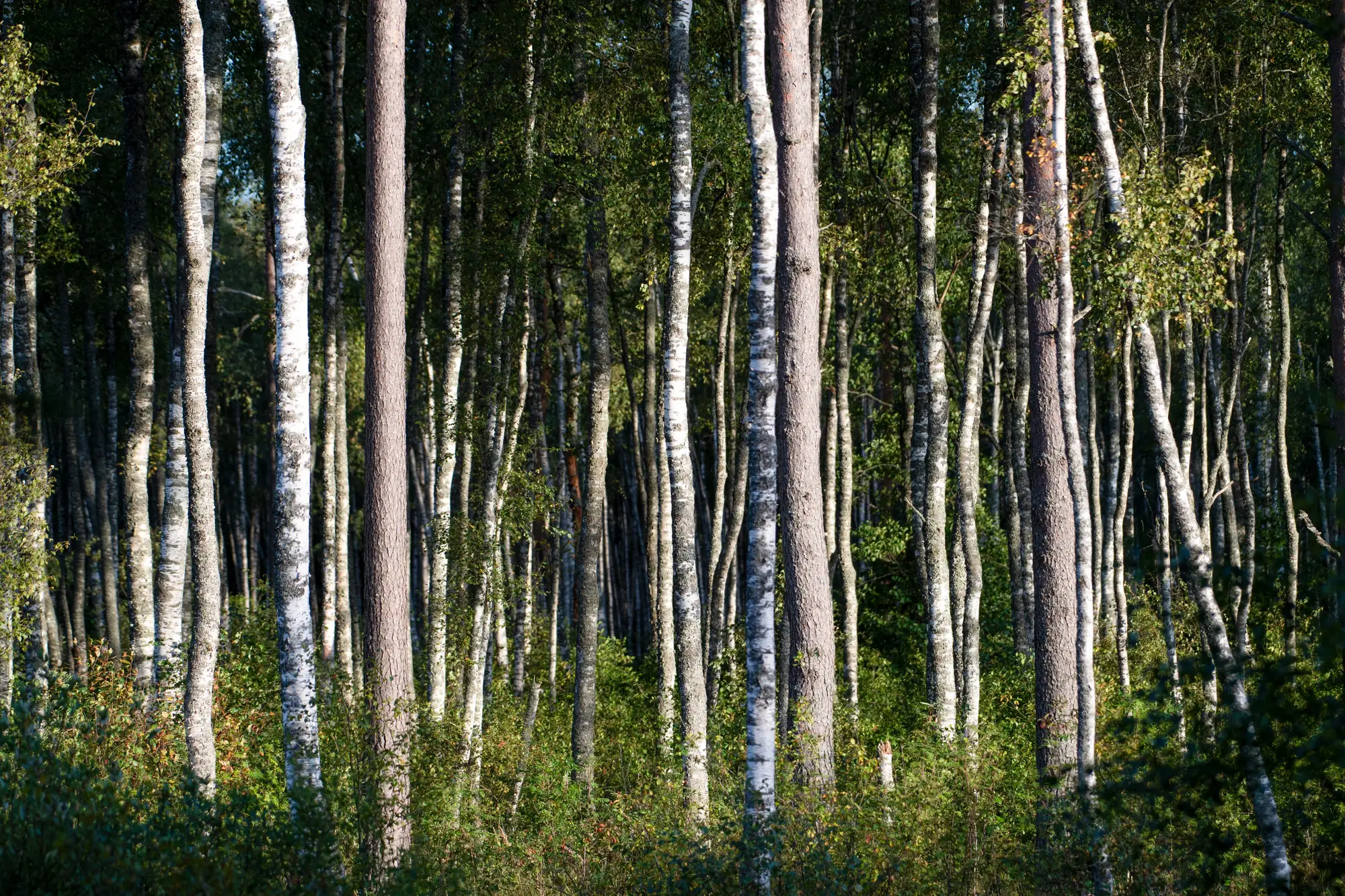
Three weeks ago I walked Compartment 14 on the east block with a cruise crew doing a routine reinventory before we write the next cutting plan. The old stand card called it a hemlock-hardwood mix, roughly 70/30, carried over from a timber cruise that's now pushing twenty years old with a couple of light plot updates since. Nobody had looked hard at it because nothing about it seemed urgent.
We ran the plots on the usual grid and started tallying. By the fourth plot the crew chief stopped writing and looked up. "This isn't 70/30," he said. "This is a mess."
He wasn't wrong. What had been carried as hemlock-hardwood turned out, plot by plot, to be closer to five species holding real basal area: hemlock, yes, but also red maple, black birch, a surprising pocket of white pine on the north-facing slope, and a strip of old-field white ash remnants along the stream that the original cruise had apparently folded into "hardwood" and never pulled back out.
None of this is anyone's fault, exactly. Point sampling on a grid gives you a defensible average for the compartment as a whole, and the stand card did its job. It told the district what kind of wood was out there in rough proportions, good enough for a harvest estimate written a decade ago. What it couldn't tell anyone was where the ash sat relative to the hemlock, or that the pine pocket was big enough to matter for a seed source call, or that the birch component had crept up enough since the last entry to change the cut mix on paper.
That's the part that sticks with me. A compartment card built from sample plots is a statement about the compartment on average. It isn't a statement about any particular acre inside it, and foresters have always known that and worked around it, walking boundaries by eye and adjusting as they go. The trouble starts when the plan gets written off the card instead of off the walk, because whoever drafted the harvest mix or the replanting order wasn't the one standing in the stand.
A layer that separates species across the whole compartment, rather than averaging them into one carried-forward percentage, would have flagged the ash strip and the pine pocket years before a crew ever walked the boundary. We've started looking at annual species-composition mapping built for exactly that gap for a handful of the harder compartments on the holding, the ones where the stand card has aged past the point anyone trusts it.
For now, Compartment 14 gets rewritten by hand, the old way, with the crew's plot data and a boundary line redrawn where the ash strip actually sits. That's the honest fix for this season. But it's worth saying to the rest of the crew: if one compartment carried a species mix this far off reality for twenty years, it's a fair bet it isn't the only one on the holding. The stand cards we trust most are often the ones we've checked least.
If your own compartment cards haven't been looked at in a while, it might be worth finding out what Tree Species Mapping would show you before the next cutting plan gets written.