Field notes: the week the species map changed what we ordered for replanting
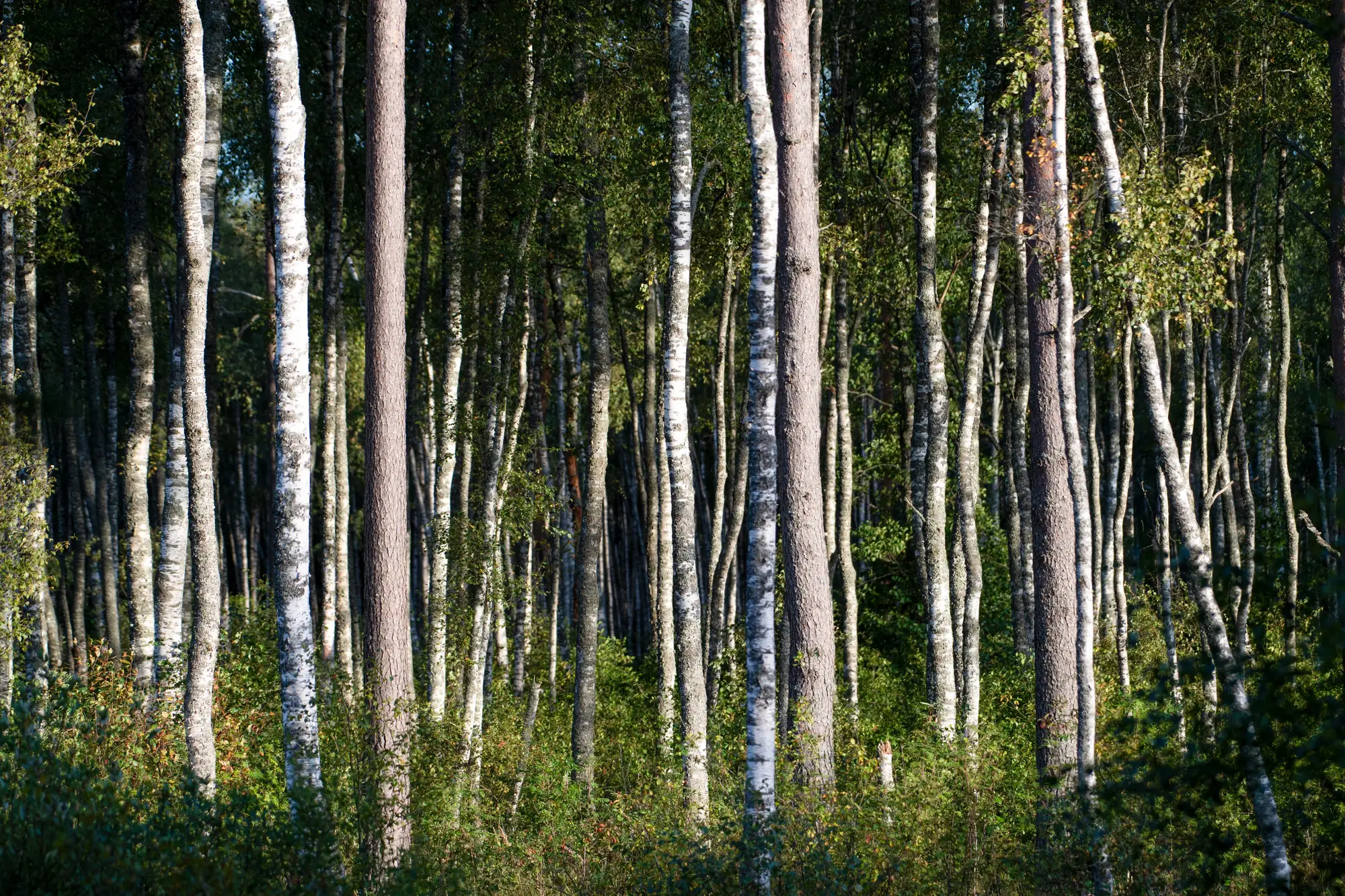
Every spring the nursery order goes out before anyone has walked the whole compartment. That's just the schedule. Bareroot stock gets lifted on its own timeline, the nursery needs lead time, and the planting crew needs to know in February what's going in the ground in April. So the order gets built from whatever's on file: the last cruise, the stand map from the previous management plan, maybe a GIS layer nobody's updated since the last inventory cycle.
This year the order for Compartment 14 said what it always said: a mixed stand, roughly two-thirds conifer, with the broadleaf component concentrated along the lower slope near the drainage. That's what the 2015 plot data showed, and nobody had a reason to doubt it. The replanting mix was drawn up the same way it's been drawn up for a decade, weighted toward the conifer species that had always done well on that aspect.
Then a species layer came back from a wall-to-wall pass over the whole holding, and Compartment 14 didn't match the file. The broadleaf hadn't stayed down by the drainage. It had crept upslope over ten years of natural regeneration nobody had walked far enough to catch on a sample-plot cruise. The conifer component on the upper third of the stand was thinner than the old map claimed, and what was there skewed toward a species the crew hadn't planned to reorder at all.
That's the kind of thing a plot-based cruise misses by design. You sample a fraction of a stand and extrapolate the rest, and the extrapolation is only as good as the assumption that the unsampled ground looks like the sampled ground. Ten years of regeneration is exactly the kind of change that assumption doesn't survive. Nobody did anything wrong. The method just wasn't built to catch it.
The order changed because the compartment, broken out species by species, didn't match what was on file. The lower-slope broadleaf band everyone had planned around had shifted upslope. The regeneration count skewed toward a species already present in enough volume that doubling down on it with new stock would have been redundant. And the gap that needed filling sat higher on the slope than anyone had budgeted for.
The nursery order got revised two weeks before it would have gone out as planned: less of the usual conifer mix, a bigger allotment of the species that was thin on the ground, and a note to the planting crew about where the real gap sat relative to the drainage. None of that required a new cruise. It required a layer that covered the whole compartment instead of the plots inside it, built fresh enough to catch what ten years of unmonitored regen can do to a stand's composition.
The habit worth picking up from that week is checking whether the stand still looks like the file before the order locks in, every season, not just when something feels off. A compartment-by-compartment species layer built annually is the kind of thing Tree Species Mapping was put together to produce, so that mismatch shows up before the stock is already on the truck.
If your replanting orders are still running on the last cruise, it's worth finding out what's actually standing on that slope before the order locks in.