How often should a species composition map be refreshed for felling licence applications?
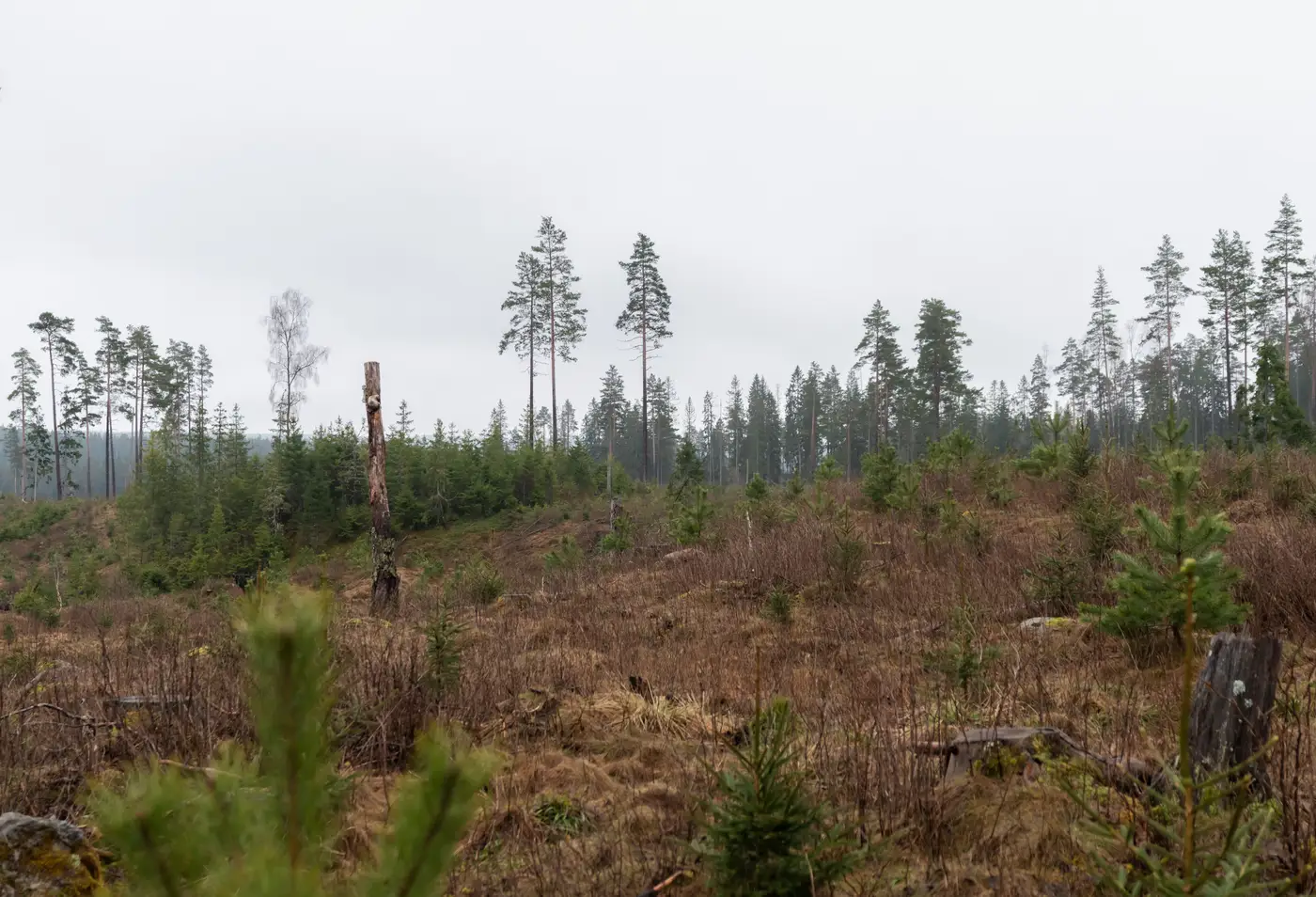
Most felling licence applications quote species mix from whatever the last full inventory walk produced, and that walk is often five or more years old by the time the application goes in. The compartment card still says 70% Sitka spruce, 30% larch. Nobody's gone back to check since the last storm took out the larch edge and natural regen filled it with birch.
That gap is where applications stall. An inspecting officer who knows the ground, or just looks at recent aerial imagery, can see the species mix on the card doesn't actually match what's standing. Then you're explaining a discrepancy instead of submitting a clean application.
What makes species data go stale between inventories
A long-term forest plan is usually written on a ten-year cycle, and the sub-compartment species records that feed it get touched even less often than that. In between, several things move faster than the paperwork:
- Windthrow and windblow take out whole stands or edges, and what regenerates isn't always what was planted.
- Ash dieback and other disease fronts shift the broadleaf component compartment by compartment, sometimes within a single growing season.
- Informal thinning, deer browsing pressure, and natural regeneration change the understorey species balance without anyone logging it centrally.
- Boundary realignments and sub-compartment splits mean the species figure that was accurate for the old compartment shape no longer applies to the new one.
None of these show up in a record that only gets updated when someone has time to walk the ground again. And on most holdings, that's not annually.
Why annual refresh is the cadence that matches the licence cycle
Felling licences themselves don't run on a ten-year clock. They're typically granted for a set period, often five years, with felling and restocking conditions that reference the species present at the time of the decision. If the underlying species record is older than the licence it's supporting, you're asking the licensing authority to approve conditions based on a snapshot that predates the application by years, not months.
An annual refresh closes that gap without needing a full ground survey every time. A species composition layer updated once a year catches the things that matter for a licence application: which compartments have shifted from conifer to a broadleaf-dominant stand after disease loss, where regen has established a species the original planting plan didn't include, and which blocks still match the record exactly. That's the baseline cadence that keeps a felling licence application defensible against whatever the compartment looks like on the day someone checks.
It also matters for restocking proposals, which get scrutinised almost as hard as the felling request itself. A restocking plan that proposes replacing a species mix that's already changed on the ground looks like it was written from an old file, because it was.
Putting it to work
None of this requires a bigger survey team or a longer field season. Tree Species Mapping builds a compartment-by-compartment species layer from narrow-band satellite reflectance and seasonal phenology, refreshed annually, so the species figure backing a felling licence application reflects what's standing this season rather than whatever the last inventory walk happened to catch. For a holding with dozens of compartments and licences at different stages, that's the difference between a species return that holds up and one that needs explaining.
If your felling licence applications are still quoting species mix from the last full inventory, it's worth seeing what an annual, compartment-level species layer looks like for your holding.
Get in touch to see how Tree Species Mapping could fit your next licence cycle.