What is provenance, and why it decides your replanting stock
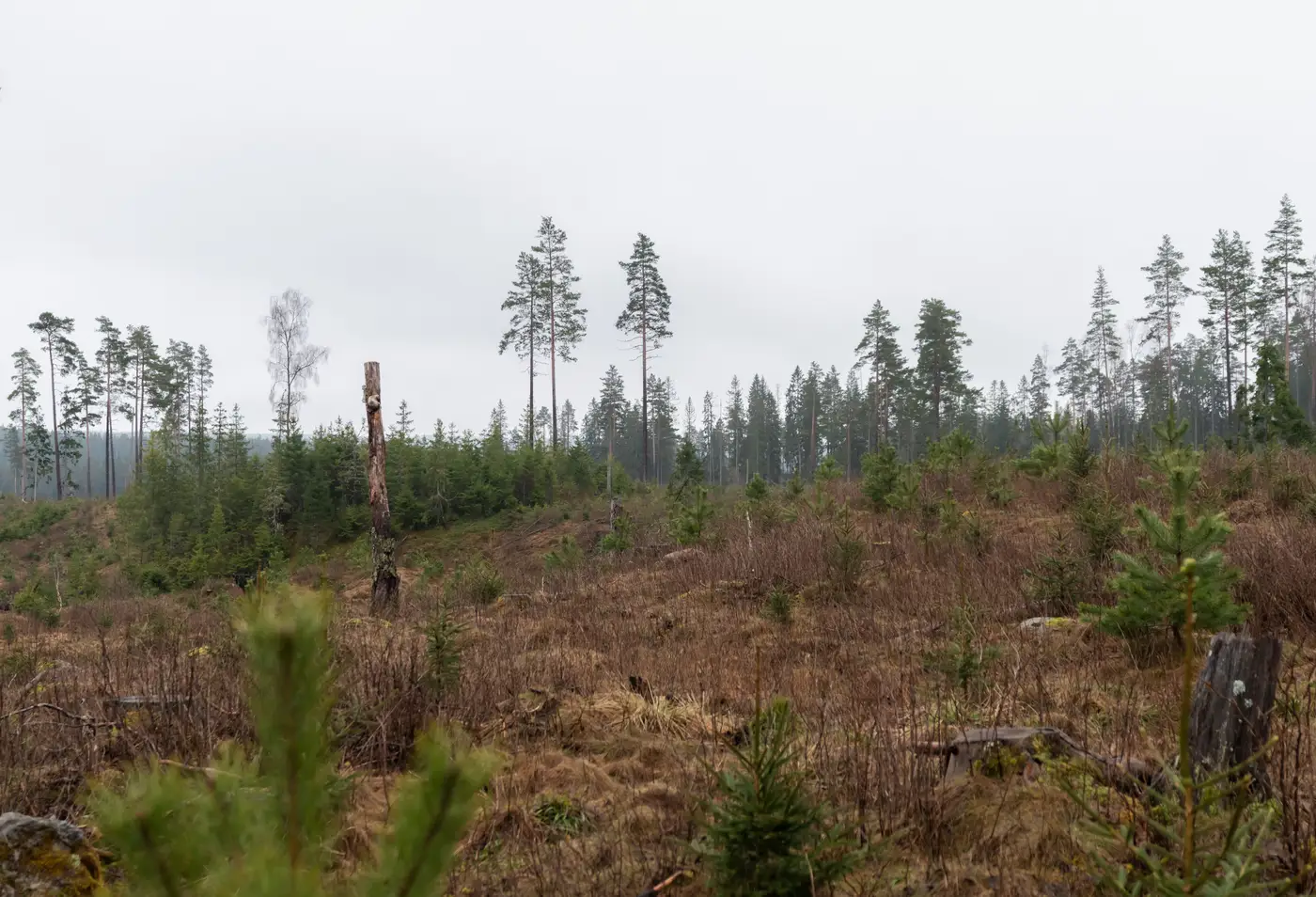
Provenance is where the seed came from. The nursery that raises a batch of Scots pine to transplant size is a separate matter entirely, and the cell tray label doesn't tell you which population is underneath. Seed collected from a stand in the Cairngorms and seed imported from further south, or from the continent, can end up in trays that look identical. Same species, same look, different genetic population underneath. That population carries traits bred into it by the climate it evolved in: bud burst timing, frost hardiness, drought tolerance, growth rate, form. Plant the wrong one and the trees can look fine in the nursery bed and then struggle for the next forty years.
This is why provenance sits alongside species choice on any restocking plan, not as an afterthought to it. A felling licence replant condition usually specifies species and stocking density. It rarely specifies provenance in detail, which leaves that call to whoever is filling in the restocking notice. Get the species right and the provenance wrong and you can still end up with a crop that comes into leaf too early for the local frost window, or one bred for a wetter climate than the one it's going into.
Seed zones and why they exist
Most countries with any forestry sector split their land into seed zones, bands defined by latitude, altitude and sometimes soil or rainfall pattern. The idea is straightforward: seed collected and used within the same zone, or moved only a limited distance, has a reasonable chance of being adapted to where it's planted. Move seed a long way north to south, or up several hundred metres in altitude, and you're asking a population to perform outside the conditions it was selected under.
Forest reproductive material regulations in most jurisdictions require seed and planting stock to be traceable back to a registered source, with provenance and region of origin recorded on the paperwork that comes with the batch. That traceability is what lets a forest manager check a provenance against a seed zone map before committing to an order, rather than taking a supplier's word that "it's local stock." Reputable nurseries will give you the FRM certificate on request. If a quote doesn't come with one, ask before you order, not after the trees are in the ground.
Matching provenance to the compartment, not the holding
The seed zone gets you into the right ballpark. The compartment gets you the rest of the way. A holding that spans a valley bottom and an exposed upper slope isn't one planting decision, it's several. Frost hollows, shelter, aspect and elevation all shift what "locally adapted" means within a few hundred metres, and a provenance that performs well on the sheltered lower ground can check or fail on the ridge above it.
This is where knowing what's growing where becomes useful rather than theoretical. If last year's restock on the north-facing block came in patchy while the same batch did well lower down, that's a provenance-by-site mismatch worth flagging before the next order goes in, not something to discover at the five-year restocking inspection. Species-level clarity on what's established and where it's thriving, compartment by compartment, is exactly the gap FlyPix AI's Tree Species Mapping is built to close, turning a walked sample plot into a wall-to-wall read of the holding.
A few practical habits help keep provenance decisions sound:
- Keep the FRM certificate for every batch on file against the compartment it went into, not just the invoice.
- Note altitude and aspect for each restocking area before ordering, and check them against the seed zone, not the county name.
- Where a species is being pushed toward the edge of its climatic range on your ground, ask the nursery what provenance trial data exists for that zone rather than assuming "native" means "adapted."
- Record which provenance went where. Five years later, that record lets you tell a provenance mismatch from ordinary bad luck.
Provenance decisions made now are the species composition you'll be reporting on in twenty years. Worth getting on record while the trees are still small enough to replace.
If you're trying to work out which species are actually holding on across a mixed compartment before you commit to next season's restock order, take a look at what Tree Species Mapping shows for a holding like yours.