What is a timber marking round, and how does a species layer change who walks it
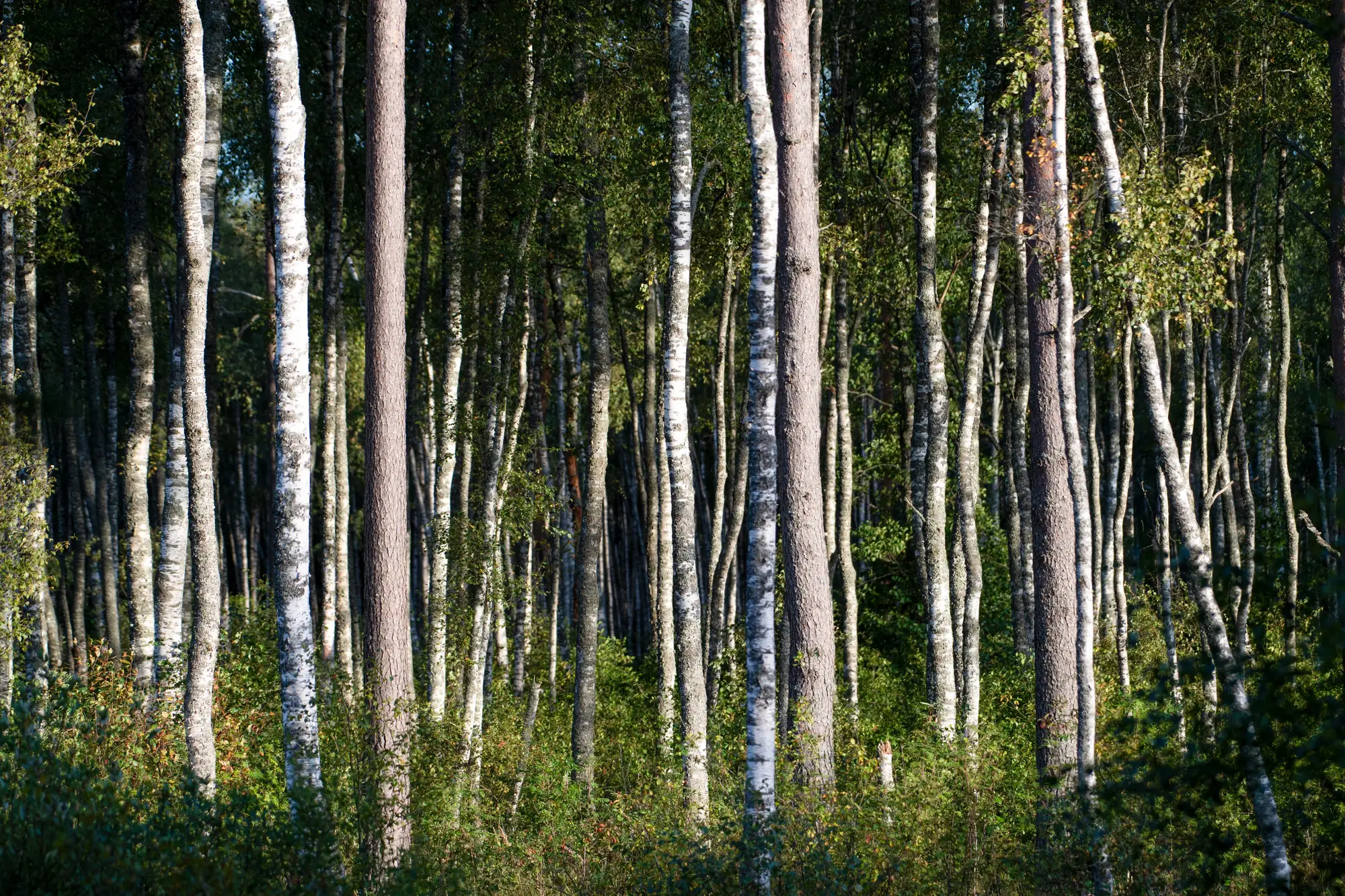
A marking round is the fieldwork phase before a timber sale goes to contract: a forester or marking crew walks a compartment, applies paint to leave trees or cut trees depending on the prescription, and ties the boundary line. It's where the silviculture plan on paper becomes a set of decisions on actual stems. Selection marking in particular lives or dies on the marker's eye. Pick the wrong trees in a mixed stand and you've changed the future composition of that compartment for the next forty years, not just this year's volume.
Most agencies and consulting foresters still scope a marking round the way they always have: pull the stand exam or the last cruise, check the prescription, assign whichever crew is free that week, and let the marker sort out species mix as they walk it. That works fine when a compartment is genuinely uniform. It works less well when a stand that reads as "mixed hardwood" on the forest-type map is sixty percent red oak and thirty percent red maple with a scattered cherry component, because the marker finds that out tree by tree instead of before the truck leaves the yard.
Why the crew assignment matters as much as the prescription
A marking round is a judgment call repeated several hundred times per day, and the person making that call needs to know the species they're looking at before they're standing under it. A crew lead who's spent fifteen years marking conifer plantations for thinning doesn't necessarily read codominant broadleaf crowns the same way a hardwood specialist does, and that's not a knock on either of them. It's a staffing question. If a supervisor knows, compartment by compartment, that Stand 14 is conifer-dominant and Stand 22 is a broadleaf stand with a conifer component along the wet edge, the crew assignment writes itself: send the softwood-trained marker to 14, send the hardwood crew to 22, and don't make either of them guess on the drive in.
That's the gap a compartment-by-compartment species layer closes. Tree Species Mapping builds an annual map that separates conifer from broadleaf, and in a lot of cases species from species, across the whole holding, so a forest manager can see the composition of a stand before anyone picks up a paint gun. The marker's judgment on the ground stays exactly the same. What changes is the guesswork of figuring out what's even in the stand before the crew shows up. You can read more about how that composition layer is built at Tree Species Mapping's overview of the offer.
Harvest mix by species, not just by volume
The other place this matters is harvest mix planning. A sale prospectus built off sample plots tells you a compartment is roughly seventy percent hardwood sawtimber and the rest pulpwood-grade conifer, extrapolated from however many plots got walked that year. A wall-to-wall species layer tells you where those species actually sit inside the compartment, not just what the average looks like. That changes how a marking round gets sequenced. If the oak component is concentrated on the upper third of the slope and the hemlock is down in the draw, a crew can mark the hardwood block in one pass and the conifer block in another, instead of zigzagging the whole stand trying to hit a volume target blind.
It also changes what gets reported after the fact. Habitat and regeneration reporting increasingly asks for species-level detail, not just board feet by grade. A manager who can point to a species-composition map for the compartment, rather than reconstructing it from a handful of plots after the sale closed, has an easier time answering those questions and a better record for the next entry into that stand.
None of this changes who holds the paint gun. It changes whether that person walks in already knowing what they're looking at, and whether the person who scoped the sale knew the species mix before they wrote the prescription.
If your crew scheduling and harvest mix planning are still running on sample-plot extrapolation, it's worth seeing what a compartment-level species map would change for your next marking season.